0%

Picking the right Enterprise Drones can shape safety, efficiency, and what you spend over the long haul. And honestly? The best model is rarely the newest one. It has to fit your actual environment, your workforce, and the goals of your business.

A construction company might need high-res imaging for roofs, bridges, and progress reports. An energy provider may care more about thermal sensors, stable flight, and inspection records it can trust. Agricultural teams often value endurance, mapping accuracy, and data workflows that are simple to use. Those differences matter. A drone that performs great in open fields can struggle near buildings, power lines, or weather that won't sit still.

Experienced buyers should look past camera quality. Think about flight time, payload capacity, obstacle detection, maintenance, software compatibility, and operator training. Also check how the manufacturer handles firmware updates, tech support, replacement parts, and data security. Demos are useful, sure, but controlled tests can hide real-world problems. Ask for field trials under realistic conditions.

Safety is still the center of it all. Make sure operations can follow the aviation rules that apply, privacy requirements, workplace procedures, and local restrictions. Legal duties vary by location. You may need professional guidance before you deploy.

Budget matters, of course. But the lowest purchase price can get expensive later. Batteries, insurance, training, storage, and repairs all deserve a clear estimate. No guide can predict every operational challenge. We might still miss a hidden cost or an overlooked workflow. That's why careful testing and documented feedback should shape the final call. The right Enterprise Drones solution should solve a measurable problem, support responsible operations, and stay practical as the business grows.

How to Choose Enterprise Drones for Your Business?

Define the Business Objective and Drone Use Case

Choosing an enterprise drone should begin with a business problem, not aircraft specifications. Define the measurable objective first: reduce roof-inspection time, improve inventory visibility, or protect workers from hazardous access. The U.S. Federal Aviation Administration reported more than 800,000 registered drones in 2024, showing how quickly adoption is expanding. However, registration does not prove business value. A drone that captures impressive footage may still create expensive data-processing work.

Write the use case in operational terms. Identify the site, flight frequency, required accuracy, weather conditions, and final user. For example, a solar operator may need thermal images every month, while a construction team may need weekly progress models. PwC’s Clarity from the Sky report estimated a potential global drone-enabled business value of $127.3 billion. That figure is a useful industry benchmark, not a guaranteed return. Real projects often reveal overlooked issues, including battery changes, pilot training, cloud storage, and poor lighting. The plan may be less perfect than expected.

Tips: Start with one measurable workflow. Record today’s labor hours, delays, safety exposure, and reporting costs. Set a pilot target, such as cutting inspection time by 30%. Involve the person who will use the data, not only the technology team. Review privacy, airspace, insurance, and local operating requirements before testing. A short field trial can expose weak assumptions early. That is valuable.

Assess Flight Environment, Range, and Operational Conditions

Choosing an enterprise drone starts with the flight environment, not the camera. A construction site may have dust, cranes, reflective surfaces, and narrow corridors. Offshore inspection adds salt spray, strong wind, and limited landing space. Record temperature, visibility, wind gusts, and electromagnetic interference during real work hours. The World Meteorological Organization reports that extreme weather events are becoming more frequent and costly, so weather tolerance deserves serious attention.

Range is more than advertised distance. Measure the route, return path, signal obstacles, and reserve battery capacity. FAA’s 2024 Aerospace Forecast projects the U.S. commercial small-drone fleet could approach one million aircraft by 2028. That growth increases the need for disciplined operating procedures and reliable data links. A practical trial should include a full payload, the lowest expected temperature, and several takeoff points. Measure twice.

Operational conditions often expose weak assumptions. Test the drone beside buildings, under bridges, and near moving equipment. Check whether operators can read alerts through gloves or bright sunlight. NIST research on UAS performance testing emphasizes repeatable measurements for navigation, communications, and safety functions. Keep documented results, not optimistic impressions. I would also admit one limitation: a short demonstration flight cannot represent a full season of dust, rain, and battery aging. Repeated field trials are slower, but they reveal the failures that brochures rarely show.

How to Choose Enterprise Drones for Your Business?

Assess Flight Environment, Range, and Operational Conditions

The chart presents practical planning benchmarks for common enterprise missions. Indoor inspections generally require short-range aircraft with precise control, while corridor mapping, agricultural surveys, and remote infrastructure work require progressively greater range. Final selection should also consider wind conditions, temperature, terrain, obstacle density, payload requirements, and the operating site’s applicable aviation rules.

Compare Drone Types, Payloads, and Performance Requirements

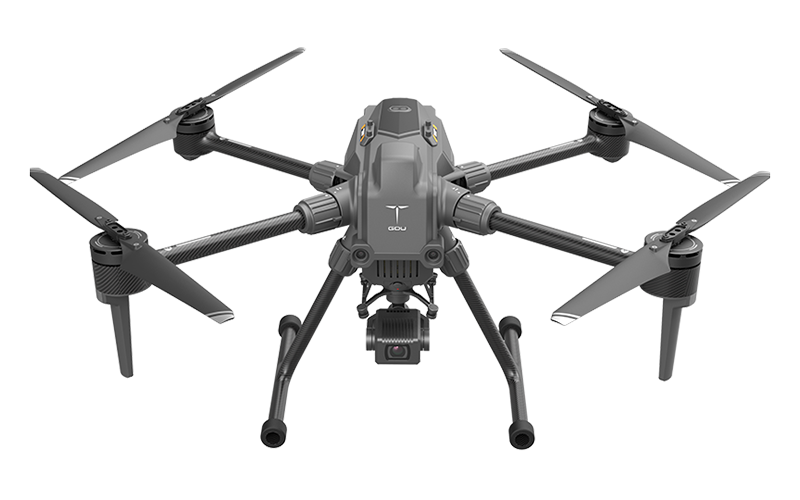
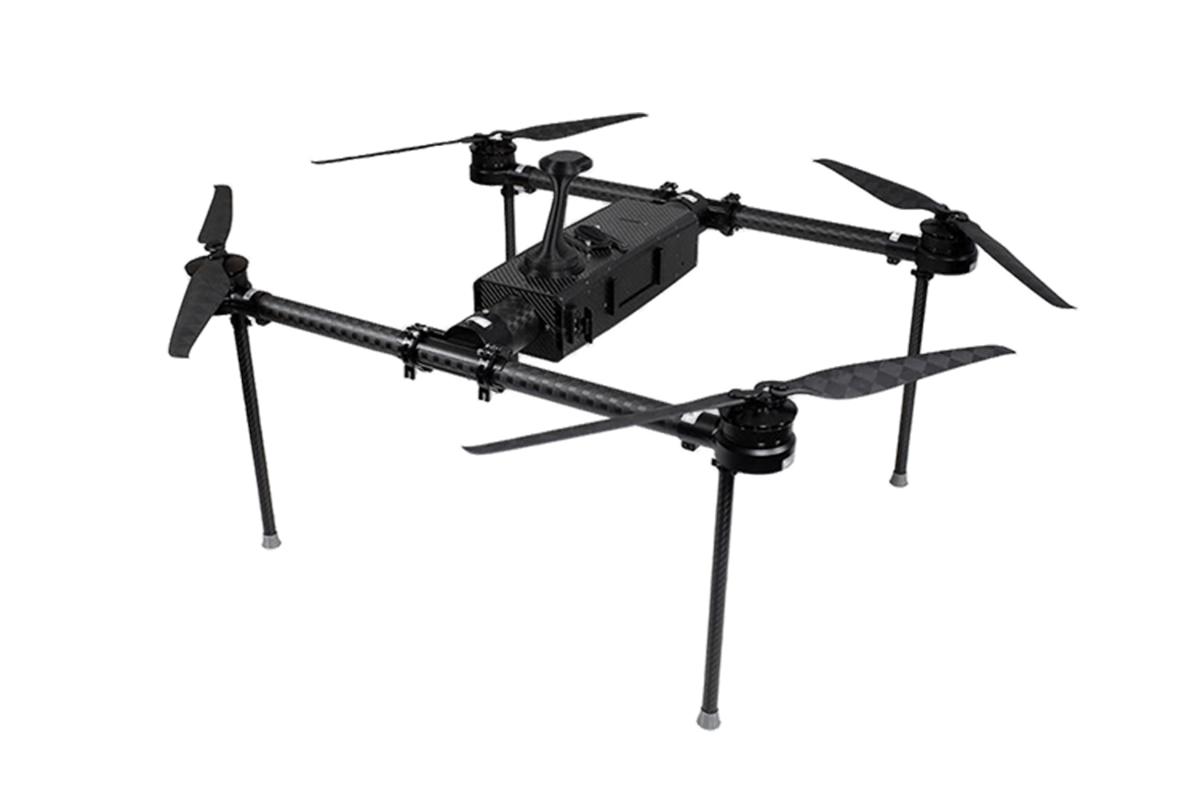
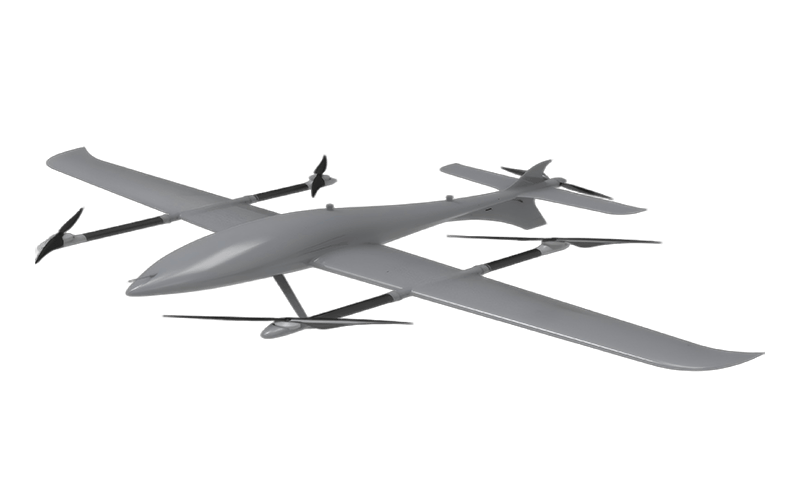
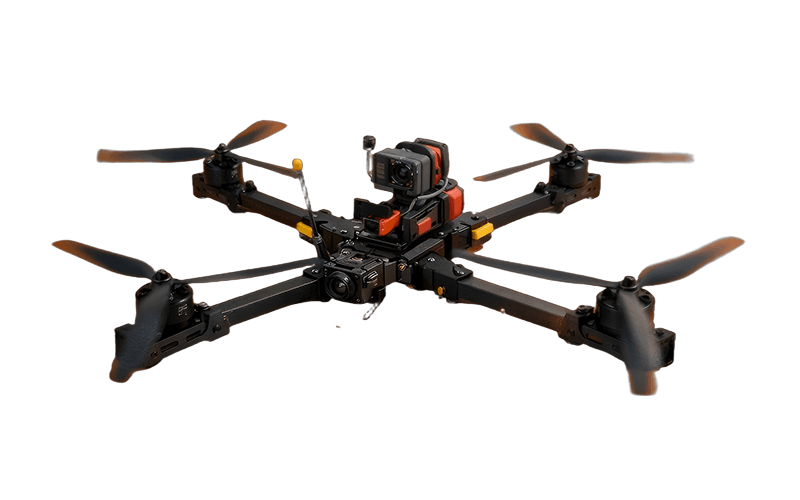
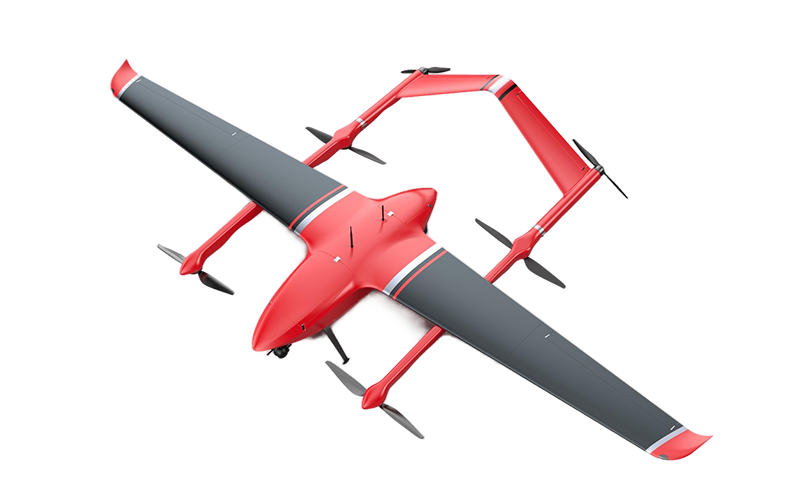
Choosing an enterprise drone starts with the job, not the camera. A multirotor can hover beside a cooling tower and capture overlapping thermal images. Its weakness is endurance, often about 20–45 minutes with a working payload. Fixed-wing aircraft cover larger corridors efficiently, but they need launch space and cannot hover. Hybrid vertical-takeoff aircraft reduce that limitation, though mechanical complexity can increase maintenance. Payload selection should follow the measurement. A 20-megapixel camera suits visual inspection. A thermal sensor needs calibrated temperature ranges and stable flight. LiDAR demands payload capacity, precise positioning, and enough battery reserve. More weight means less airtime. That trade-off is easy to underestimate.

PwC’s Clarity from Above estimated $127.3 billion in potential annual value from drone-enabled business solutions, including $45.2 billion in infrastructure and $32.4 billion in agriculture. Those figures support disciplined selection, not oversized specifications. Define the required ground sampling distance, flight radius, wind tolerance, and data volume before comparing aircraft. A mapping team may value a 90-minute mission more than a heavy camera. An inspection crew may need a compact aircraft, obstacle sensing, and repeatable positioning. Check the complete system: payload, batteries, controller, software, training, and maintenance. Test it on the actual site. Laboratory claims can disappoint in wind, dust, or reflective surfaces. I would leave at least 20 percent capacity for battery and payload limits. That is not universal. It is a practical starting point. The weak assumption is treating one drone as suitable for every department.

Evaluate Safety, Compliance, and Data Security Features

How to Choose Enterprise Drones for Your Business?

Evaluate Safety, Compliance, and Data Security Features

Safety should be assessed in realistic conditions, not only through product brochures. Check obstacle detection, return-to-home behavior, battery alerts, and emergency landing controls. Ask how the aircraft behaves when GPS signals weaken or communication drops. Test these functions with trained staff before routine operations. Small failures can become expensive quickly.

Compliance needs a documented process. Confirm pilot qualifications, operating permissions, maintenance schedules, and required flight records. Rules may differ between regions and industries, so consult the relevant aviation authority before deployment. A useful system should support digital logs, restricted flight areas, and clear responsibility for every mission. Automated geofencing helps, but it is not perfect. It can block safe routes or miss temporary restrictions.

Protect the data after landing. Look for encryption during transfer and storage, multi-factor authentication, role-based access, and detailed audit logs. Ask where images are stored, how long they remain available, and whether administrators can delete them securely. Firmware updates should come from verified sources and include a recovery process. Test an account compromise scenario. Can access be revoked quickly? Can the team identify what was viewed or downloaded? These checks often reveal weaknesses that a polished demonstration hides. Keep evidence. Revisit the policy every few months.

Review Software, Integration, and Fleet Management Capabilities

Choosing enterprise drones requires more than comparing cameras, flight time, or payload capacity. Software often determines daily productivity. MarketsandMarkets estimates the global drone software market could grow from about $5.2 billion in 2023 to $17.4 billion by 2028. Look for automated mission planning, live telemetry, secure data storage, and clear audit records. Field teams should review maps on tablets, not depend on office-only systems. A polished interface is not enough.

Integration is equally important. The platform should connect with asset management, geographic information systems, maintenance tools, and existing identity controls. Test one complete workflow: create a mission, capture imagery, transfer files, generate a report, and assign follow-up work. The FAA reported more than 860,000 registered drones in the United States in 2024. That scale makes fleet visibility essential. Managers need battery cycles, pilot activity, repair history, location, and software versions in one dashboard. However, dashboards can hide messy data. Plan for duplicate records and weak connectivity.

Tips: Request a live demonstration using your own site map. Measure upload time in a low-signal area. Ask how quickly administrators can revoke access. Check whether reports export in common formats. Start with a small pilot fleet. That exposes integration gaps early. Also question optimistic vendor claims. A system may automate flights, yet still require manual quality checks. Document those exceptions before expanding.

Calculate Total Cost, Support Needs, and Long-Term Value

Choosing an enterprise drone begins with total cost, not the aircraft’s purchase price. Build a five-year model covering payloads, batteries, chargers, software, training, maintenance, insurance, storage, and staff time. A $15,000 aircraft can become a $40,000 project after support and field operations. Small details matter. Battery replacement is often underestimated.

PwC’s analysis estimated that drone-powered business services could create $127.3 billion in global value. That figure shows opportunity, not guaranteed savings. Measure your own baseline first. Record inspection hours, travel costs, defect rates, and repeat visits. Then compare them with realistic drone productivity. Include downtime. A grounded aircraft still creates costs.

Support capacity is equally important. Ask how quickly repairs are handled, whether technicians can work locally, and how training remains current. The Association for Uncrewed Vehicle Systems International projected more than $82 billion in economic impact and 100,000 new American jobs by 2025. That growth implies a deeper need for skilled operators and maintenance staff. My own cost models often miss data management and employee turnover. That is a useful warning. Choose the system that remains practical after warranties end, software changes, and flight schedules become less predictable. Long-term value comes from usable data, repeatable workflows, and measurable savings—not impressive specifications alone.

How to Choose Enterprise Drones for Your Business? - Calculate Total Cost, Support Needs, and Long-Term Value
Drone Category Best-Fit Business Uses Typical Flight Time Useful Payload Initial Equipment Cost Estimated 3-Year TCO Support and Operating Needs Long-Term Value Selection Guidance
Compact Inspection Drone Roof surveys, construction progress, facility documentation, visual inspections, and routine asset checks. 25–40 minutes per battery Up to 0.5 kg; RGB camera US$3,000–12,000 US$12,000–35,000 Basic pilot training, spare batteries, firmware management, data storage, insurance, and periodic maintenance. High for routine visual work
Professional Mapping Drone Topographic surveys, stockpile measurement, corridor mapping, earthwork monitoring, and construction planning. 25–45 minutes per battery Up to 1.0 kg; RGB or survey camera US$15,000–45,000 US$45,000–115,000 Certified pilot, mission-planning software, photogrammetry or mapping software, ground-control procedures, and data-processing capacity. Very high when surveys are frequent
Thermal Inspection Drone Electrical inspections, solar-panel checks, building-envelope surveys, fire-risk assessment, and heat-loss detection. 25–40 minutes per battery Up to 0.8 kg; thermal and RGB sensors US$18,000–55,000 US$55,000–140,000 Thermal-imaging training, sensor calibration, inspection standards, secure data handling, and specialist report review. High for risk-based inspections
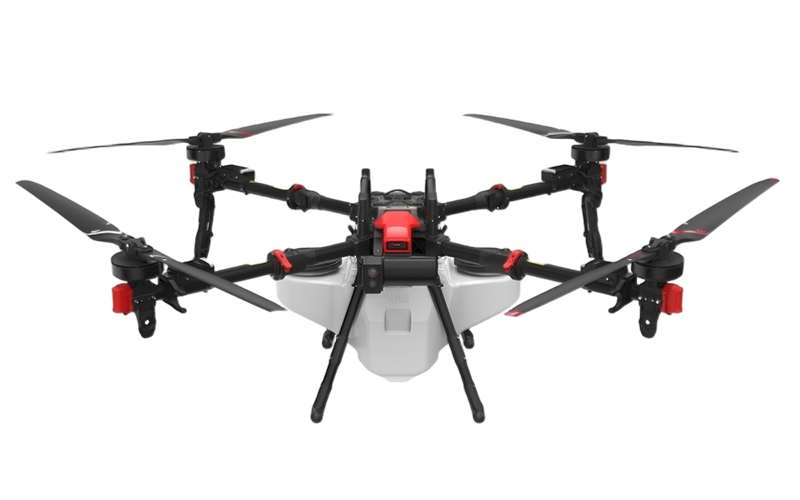
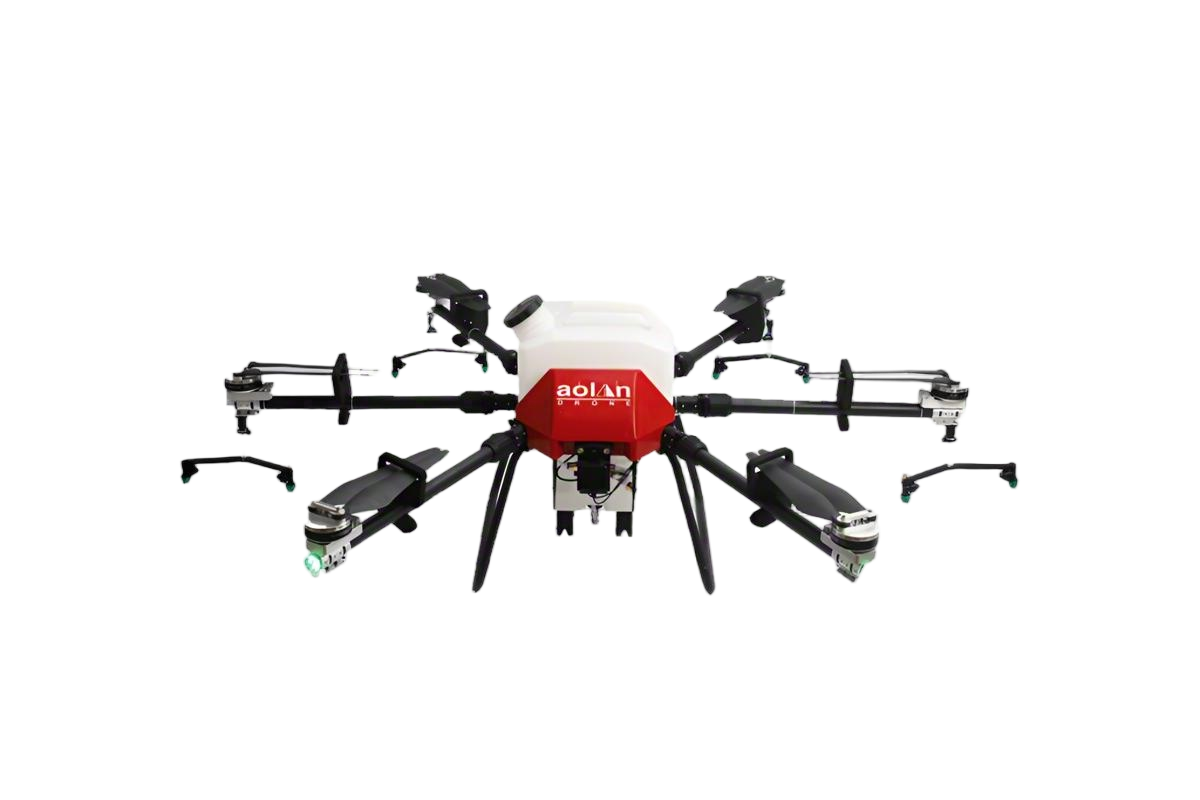
Heavy-Lift Industrial Drone Material delivery, emergency logistics, remote-site support, spraying, and specialized industrial payload operations. 15–35 minutes per battery 5–20 kg, depending on configuration US$40,000–150,000 US$130,000–360,000 Advanced operational procedures, payload-specific training, larger landing areas, battery logistics, maintenance planning, and stronger regulatory controls. High only at sufficient flight volume
Indoor or Confined-Space Drone Warehouses, tanks, tunnels, mines, industrial interiors, and areas where satellite navigation is unavailable. 8–20 minutes per battery Up to 0.5 kg; protected RGB or thermal camera US$8,000–35,000 US$30,000–95,000 Indoor-flight training, collision-risk controls, facility access planning, frequent battery rotation, and robust data-transfer procedures. Very high where human access is hazardous
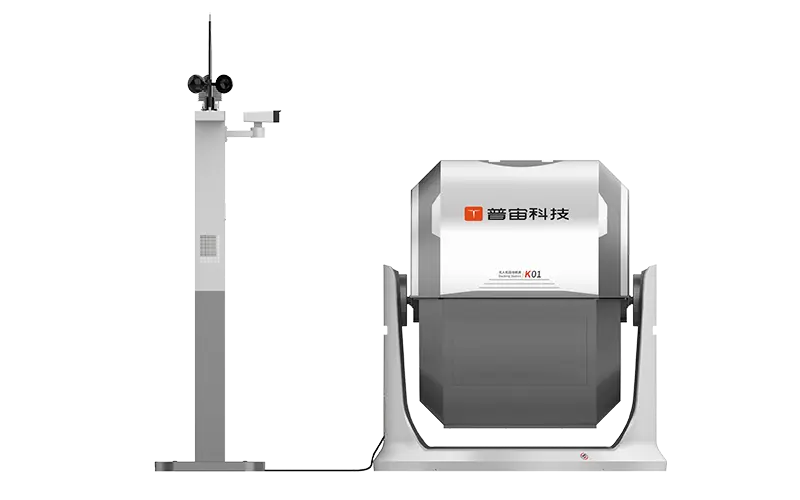
Dock-Based Automated Drone Scheduled perimeter monitoring, infrastructure surveillance, remote site checks, and recurring security or inspection missions. 20–45 minutes per sortie; automated recharging varies by system Integrated RGB, thermal, or zoom camera US$60,000–180,000 US$180,000–500,000 Site installation, network connectivity, remote-operations procedures, software subscriptions, maintenance response, cybersecurity, and regulatory approvals. High for frequent, repeatable missions
Cost basis: Planning ranges are illustrative enterprise estimates in USD and include typical equipment, software, training, batteries, maintenance, insurance, and operational support over three years. Actual costs vary by payload, operating environment, labor rates, regulatory requirements, data volume, and mission frequency. Recommended calculation: 3-year TCO = initial equipment + software and connectivity + training + batteries and spares + maintenance + insurance and compliance + data processing + internal labor.
Decision rule: Choose the drone category that delivers the lowest cost per completed business outcome—not simply the lowest purchase price. Before buying, estimate annual mission volume, labor hours saved, avoided downtime, safety improvements, data-processing costs, and the support capacity required to keep the fleet operational.

EVO Lite Enterprise Series: A Smarter Path to Efficient Business Operations

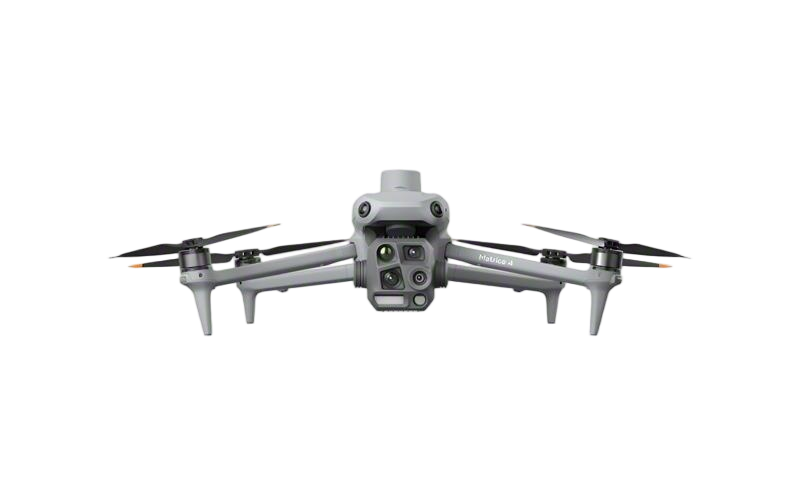
The EVO Lite Enterprise Series offers a smarter path to efficient business operations by combining portability, rapid deployment, and intuitive control. Its lightweight design allows teams to transport and launch the aircraft with minimal preparation, supporting flexible single-person operations in demanding industrial environments. AI-powered target recognition can automatically identify and map selected objects, helping users collect organized information with less manual effort. Three-way binocular vision obstacle avoidance further supports safer flight by detecting potential hazards from multiple directions.

The EVO Lite 640T Enterprise combines a visible-light camera with a thermal-imaging camera on a dual-gimbal system. The visible-light camera captures sharp, detailed images, while thermal data helps operators assess conditions and make more informed decisions during inspections, public safety tasks, and emergency response. The EVO Lite 6K Enterprise features a one-inch CMOS visible-light camera designed to deliver strong sensitivity and high-quality imagery, even when operational details are difficult to capture. Together with professional flight software, both configurations provide clear controls, user-friendly interaction, and efficient workflows that help organizations improve situational awareness, reduce deployment time, and manage field operations more effectively.

FAQS

Which drone type suits close visual inspections?

A multirotor can hover beside towers, roofs, and other structures. It supports overlapping images and precise positioning. Its working flight time may reach only 20–45 minutes. That limitation matters.

When is a fixed-wing aircraft a better choice?

Fixed-wing aircraft suit large corridors and mapping areas. They usually cover distance efficiently. However, they need launch space and cannot hover. Plan recovery carefully.

What are the benefits and limits of hybrid aircraft?

Hybrid aircraft combine vertical takeoff with longer forward flight. They reduce launch-space restrictions. Their mechanical systems may increase maintenance needs. More parts mean more inspection points.

How should teams choose a payload?

Choose the sensor according to the measurement. A 20-megapixel camera supports visual inspection. Thermal work needs calibrated temperature ranges and stable flight. LiDAR requires payload capacity, precise positioning, and battery reserve.

How does payload weight affect mission planning?

Heavier payloads reduce airtime. This effect is easy to underestimate. Leave about 20 percent capacity for battery and payload limits. That is only a practical starting point.

What performance details should teams define before purchasing?

Define ground sampling distance, flight radius, wind tolerance, and data volume. A mapping team may value a 90-minute mission. An inspection crew may need obstacle sensing and repeatable positioning. Bigger is not always better.

Which software features support daily drone operations?

Look for automated mission planning, live telemetry, secure storage, and audit records. Field teams should review maps on tablets. Office-only workflows slow decisions. A polished interface is not enough.

How can a team test software integration?

Run one complete workflow on the actual site map. Create a mission, capture images, transfer files, generate a report, and assign follow-up work. Check upload speed in weak-signal areas. Test it outdoors.

What should a fleet dashboard track?

Track battery cycles, pilot activity, repair history, locations, and software versions. Administrators should revoke access quickly. Dashboards can still hide duplicate records and weak connectivity. Data becomes messy.

Why should teams begin with a small pilot fleet?

A small pilot exposes integration gaps before expansion. It also reveals manual quality checks and disappointing field performance. Laboratory claims may fail in wind, dust, or reflective conditions. I would not trust every optimistic estimate.

Conclusion

Choosing the right Enterprise Drones begins with a clear understanding of your business objectives and the specific tasks the aircraft must perform, such as inspection, mapping, monitoring, delivery support, or data collection. Assess the expected flight environment, operating distance, weather conditions, terrain, indoor or outdoor use, and the level of automation required. Then compare suitable drone designs, payload capacity, flight endurance, navigation accuracy, imaging or sensing capabilities, and performance under real working conditions.

A reliable selection process should also examine safety functions, operational compliance, secure data handling, and protection against unauthorized access. Consider whether the drone software can integrate with existing business systems, support mission planning, organize collected data, and manage multiple aircraft efficiently. Finally, calculate the total cost of ownership, including training, maintenance, batteries, software, insurance, technical support, and future upgrades. The best solution is not simply the most advanced option, but the one that delivers dependable results, fits daily operations, and provides lasting business value.

Sophia

Sophia

Sophia is a dedicated marketing professional with a deep expertise in UAV systems, specializing in the creation of repeatable, traceable, and compliant solutions. With a strong focus on integrated innovation across hardware, algorithms, and data operations, she plays a pivotal role in enhancing the......
Previous Why Are Business Drones Essential for Global Buyers?