 GDU

 UUUFLY
 DJI
 MMC
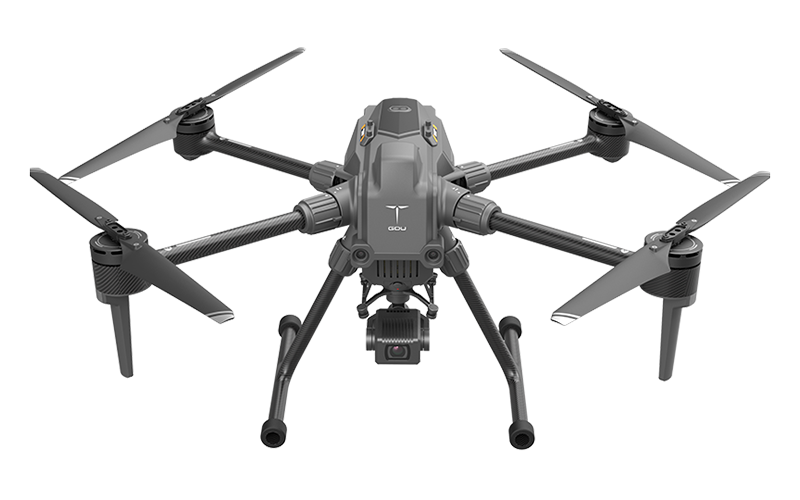 GDU
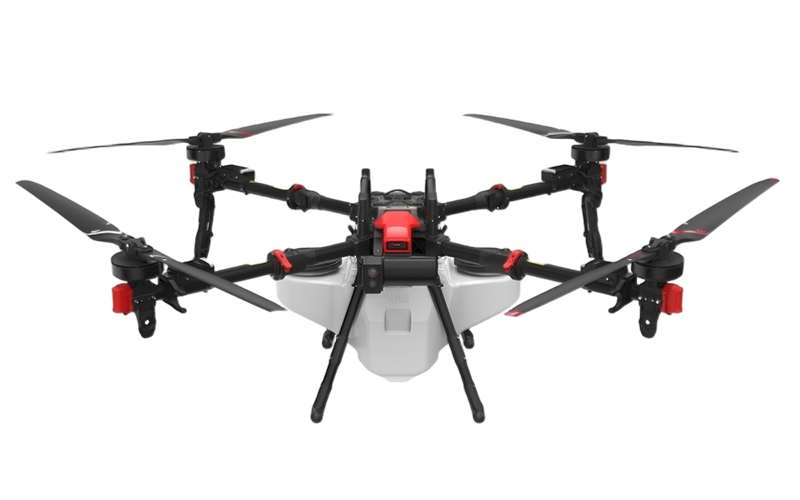 XAG
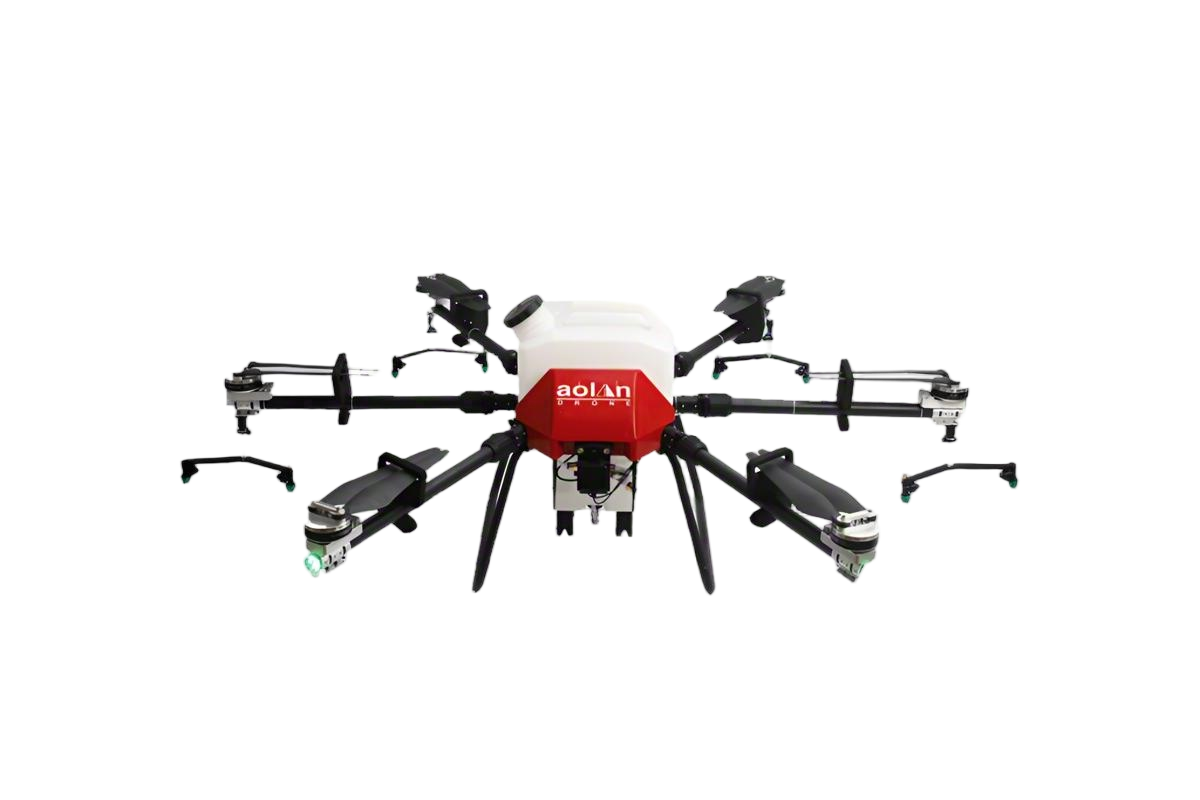 AOLAN
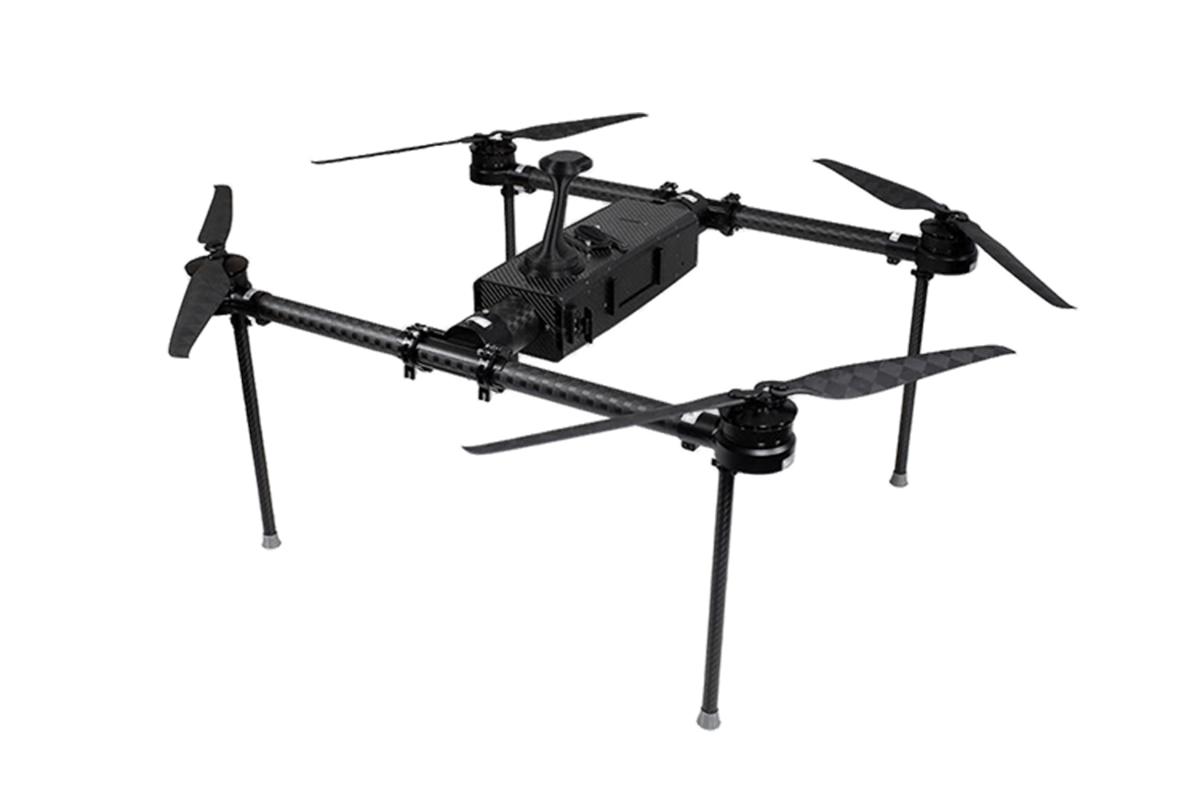 KEEL
 SKY NEXT
- DJI Matrice-4T
- DJI Matrice 4E Drone
- DJI Matrice 4TD
- DJI Matrice 30T
- DJI Mavic 3 Emterprise
- DJI Mavic 3M Multispectral Drone
- DJI RC 2 Plus Industry Plus
- DJI Matrice 4 Series Battery
- DJI Matrice 4D Series Batteries
- TB65 Intelligent Flight Battery
- TB100 Smart Flight Battery
- WB37 Battery
- DJI Accessories

So, come 2026, if you’re shopping for a fertilizer drone, you’ll notice that even models that look alike can perform quite differently in real life. Stuff like payload capacity, spreading width, flight time, and which granules they can handle — all of these really impact how much you can get done each day. Sure, a big hopper means fewer stops to refill, but it also makes the drone heavier at takeoff and can drain the battery faster. Details matter more than you might think. Don’t just go by the headline specs; dig a little deeper.
In this guide, I’ll walk you through what to compare when looking at fertilizer drones for sale. Things like calibration tools, application controls, how fast the batteries recharge, easy access for maintenance, and whether the dealer offers support — all those little details add up. It’s also smart to think about your actual work: the size and shape of your fields, terrain types, what kind of fertilizer you’re using, and how far the refill points are. When talking to sellers, ask for their latest specs, warranty terms, training options, and if they can provide local servicing. Keep in mind, product stocks and configurations can change pretty quickly, so always double-check the details directly before you decide.
A slick demo is great, no doubt, but it can’t show you every little issue. Make sure to ask how well the drone handles uneven spreading, windy conditions, or tricky field edges. And see if spare parts are easy to find — nothing’s more frustrating than waiting ages for a replacement. These questions might seem a bit boring, but trust me, they’re super important. No single drone will be perfect for every farm, and the cheapest option might end up costing more in the long run. Even with careful comparisons, there’s always some uncertainty — what really matters is how the system performs in your actual field, with your particular setup and operator experience. The sections ahead will give you a practical checklist, helping you really weigh the advertised features against what you’ll face day to day when applying fertilizer.
Remember, it’s all about finding the right fit for your farm — sometimes the “good enough” option with better support and realistic expectations beats the cheapest deal every time.

How Fertilizer Drones Apply Granules: Spreaders, Flow Control, and Guidance
Top Fertilizer Drones for Sale in 2026?
How Fertilizer Drones Apply Granules: Spreaders, Flow Control, and Guidance
A fertilizer drone carries granules in a hopper and releases them through a metering gate, auger, or rotary spreader. The spreader’s disc flings material outward, creating a swath that must overlap evenly. Granule size and shape affect how far each particle travels. Small details matter.
Flow control links the application rate to the drone’s speed. If the aircraft slows near a field edge but the gate keeps feeding at the same rate, that area may receive too much fertilizer. Operators can check output with a timed collection test before flying, then compare the collected weight with the planned rate. It is a simple check, not a substitute for calibration under field conditions.
Guidance systems use positioning data and planned flight lines to keep passes consistent. Accurate spacing helps limit gaps and double coverage, especially on irregular fields. Wind still wins. Gusts can carry light granules beyond the intended path, so operators should assess conditions and verify the actual spread pattern with catch trays. Product density and moisture can also change flow, meaning yesterday’s settings may not work today. A carefully mapped route helps, but it cannot correct a clogged outlet or uneven material.
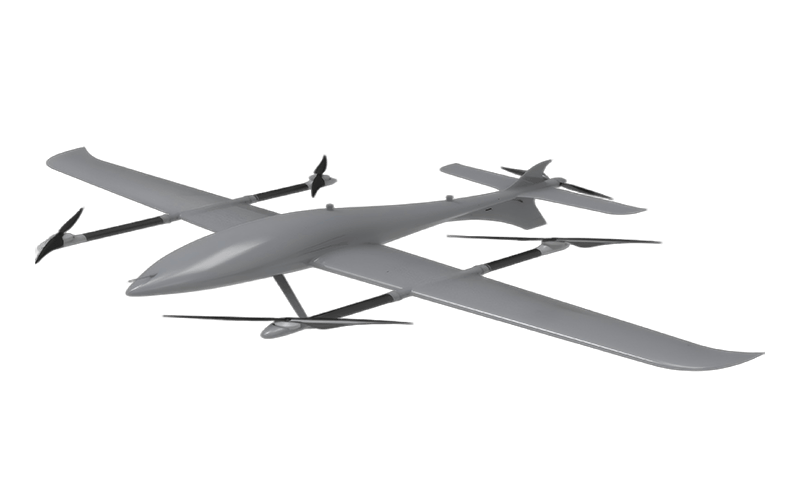
How the AL6-30 6-Rotor Agricultural Spraying Drone Brings Helicopter-Grade Power to Crop Care
A six-rotor agricultural spraying drone brings a different kind of power to crop care: strong, distributed lift paired with the maneuverability needed across varied fields. Its helicopter-grade approach is not about size alone; multiple rotors can help maintain stable flight while carrying spraying equipment, supporting controlled application over crops and around field boundaries. Engineered for professional farm use, this type of aircraft is designed to deliver efficient, powerful treatment when timely coverage matters.
That need is substantial: the Food and Agriculture Organization’s 2021 *Scientific Review of the Impact of Climate Change on Plant Pests* reports that pests destroy up to 40% of global crop production each year. A capable spraying platform can help farm teams respond more precisely, reaching designated areas and reducing the time and labor required for field operations. With six rotors providing lift and responsive control, the AL6-30 configuration is suited to demanding crop-care work, where consistent flight and dependable spraying performance matter from one pass to the next.

FAQS
Compare usable payload with the target application rate. A 20 kg hopper covers one hectare at 20 kg/ha, before overlap or leftover material. Real coverage may be lower.
Multiply swath width by speed in km/h, then divide by 10. A 5 m swath at 18 km/h gives 9 ha/h on paper. At 60% field efficiency, expect about 5.4 ha/h. Planning only.
No. Wind, granule size, rotor wash, and hopper load can shift fertilizer. Measure an effective swath with catch trays. Use that width for pass spacing. The widest plume can mislead.
Set the target in kg/ha, then match feeder output to speed and effective swath. At 20 kg/ha, 5 m/s, and a 6 m swath, target flow is about 3.6 kg/min. Verify it with a timed discharge.
Moisture, granule shape, gate settings, and fertilizer type all matter. Wet material may bridge inside the hopper. Recheck after changing materials or settings. Small changes count.
Place catch trays across a short test strip and weigh each sample. Check coverage near the flight path, not just whether the hopper empties. A simple test helps.
A larger load can reduce refills, but it also affects handling and battery planning. Test route length with the intended fertilizer and field conditions. Peak flow, such as 108 kg/min, is not guaranteed in field use.
Treat them as estimates. Turns, refills, terrain, calibration, and wind reduce real capacity. I might still trust a clean figure too much; field notes are less tidy, but more useful.
Conclusion
A Fertilizer Drone can distribute granular nutrients across fields with a hopper, metered spreader, and guidance system that helps maintain consistent coverage. When comparing 2026 models, look beyond payload: spread rate, swath width, application rate, and field capacity all affect how efficiently a drone can cover a specific crop area. Some high-capacity options offer a 50 kg spreader payload, with maximum flow rates ranging from about 70 to 108 kg per minute. These figures are only a starting point; actual performance depends on the granules, settings, terrain, and operating conditions.
Choose a swath width and flow setting that deliver the target kilograms per hectare without uneven application. Estimate ownership costs by considering batteries, charging and refill time, maintenance, and hectares covered per hour. Before purchasing or operating a system, confirm that the drone, pilot, and fertilizer-application plan meet the requirements that apply in your area.
Related Posts
-

How to Choose the Best Agrispray Drone for Your Farm?
-

What is a Fertilizer Drone and How Does It Work?
-

Fertilizer Drone Innovations at 139th Canton Fair 2026?
-

Best Agriculture Sprayer UAVs for Efficient Farming Solutions?
-

Essential Tips for Choosing the Right Spray Drone for Your Needs?
-

Top 10 Fertilizer Drones to Buy in China for Global Buyers?
